Explore our leading OEM/ODM formulations engineered for global compliance, exceptional skin feel, and broad-spectrum photoprotection.
The global sunscreen market has undergone a significant paradigm shift. Modern consumers prioritize efficiency, convenience, and lightweight skin feel, propelling SPF sprays (sunscreen sprays) to the forefront of the personal care industry. According to global cosmetics intelligence data, the demand for aerosol and non-aerosol sun protection sprays is increasing at a CAGR of 6.4% annually, driven by active outdoor lifestyles and the widespread clinical recommendation of reapplying sunblock every two hours.
For beauty brands, distributors, and private label retailers, choosing a reliable SPF spray manufacturer is crucial to capture this high-margin market. Sourcing from experienced factories ensures that issues typical to sprays—such as valve clogging, uneven active dispersion, propellant safety, and formulation separation—are solved before reaching retail shelves. Today's brands look for manufacturers who combine high-end chemistry with sustainable, innovative aerosol packaging techniques.
Global regulatory updates—particularly the banning of certain chemical filters harmful to coral reefs (like oxybenzone and octinoxate) in regions like Hawaii and the EU—have forced a rapid shift towards mineral blockers (nano and non-nano zinc oxide/titanium dioxide) and eco-certified organic filters. Modern factories must provide "reef-safe" declarations to remain globally competitive.
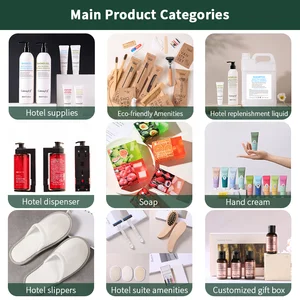
Dongguan Bahre Beauty Co., Ltd. is a professional manufacturer specializing in body lotion, private label skincare, and OEM/ODM body care solutions in China. With years of experience in cosmetic formulation and manufacturing, we are committed to developing safe, effective, and innovative skincare products for beauty brands, wholesalers, distributors, retailers, and e-commerce businesses around the world.
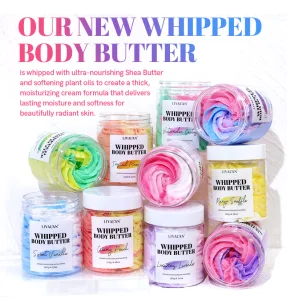
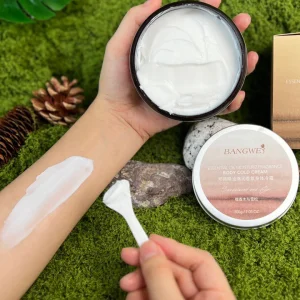
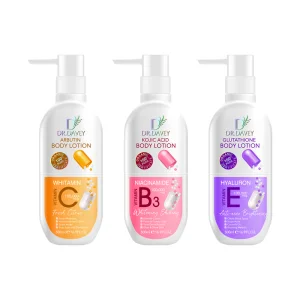
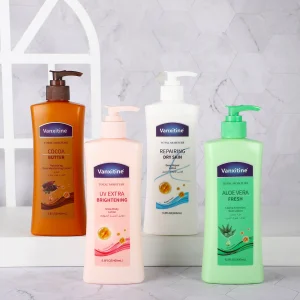
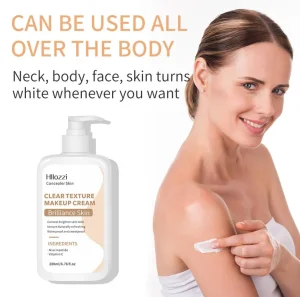
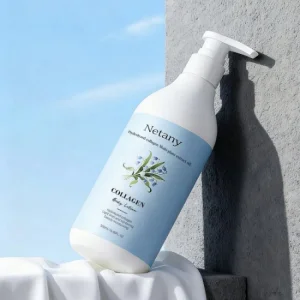
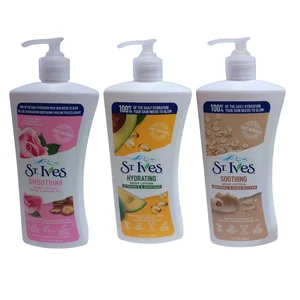
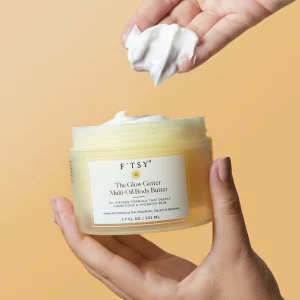
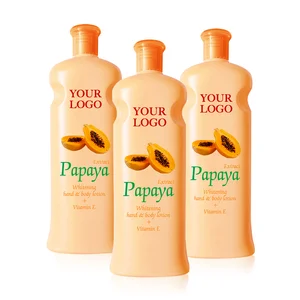
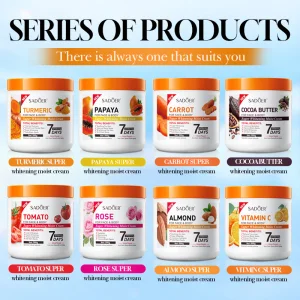
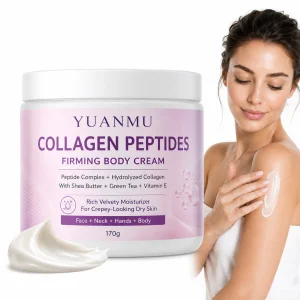
Our extensive product portfolio includes moisturizing body lotions, hydrating body lotions, whitening body lotions, firming body lotions, anti-aging body lotions, body creams, body butters, body oils, body scrubs, hand creams, foot creams, shower gels, body washes, and other personal care products. Utilizing advanced engineering, we also provide customized formulations enriched with ingredients such as hyaluronic acid, collagen, niacinamide, vitamin C, shea butter, aloe vera, ceramides, and botanical extracts to meet diverse market demands.
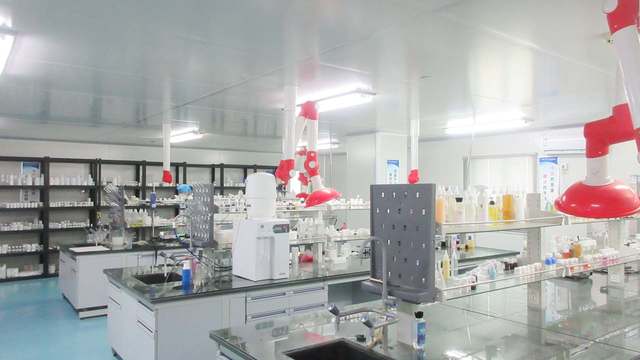
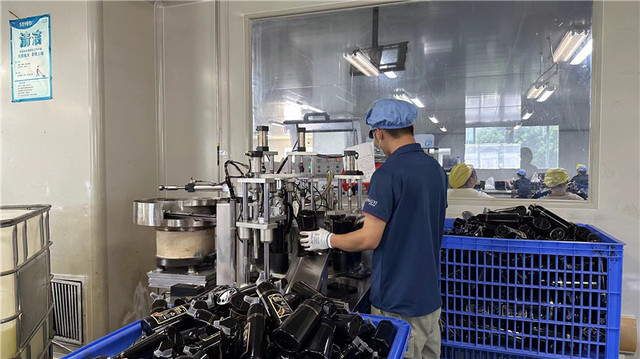
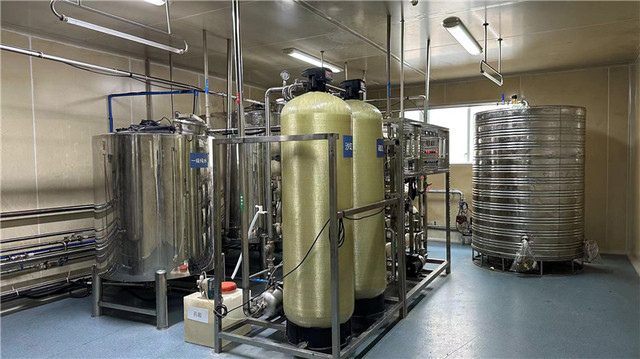
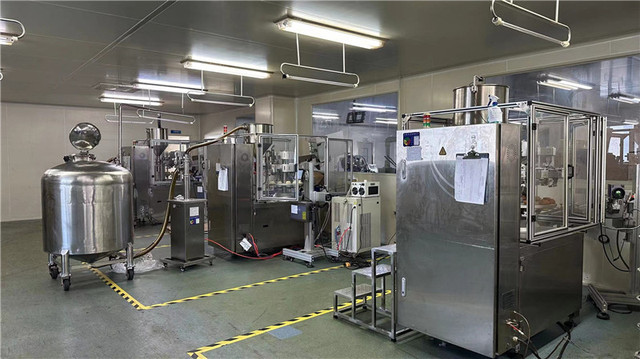
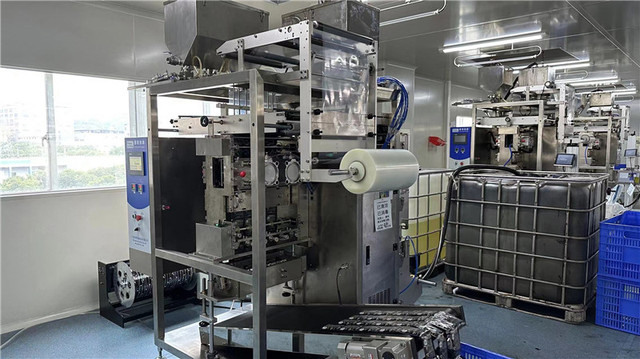
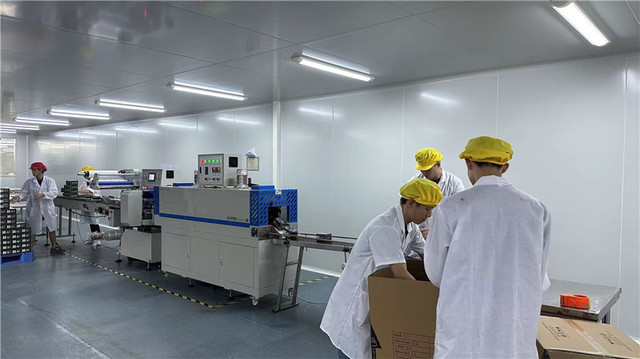
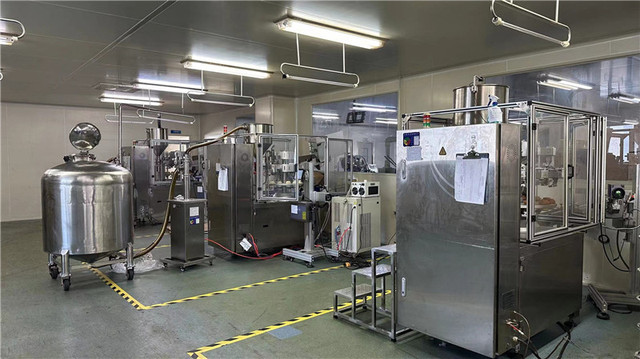
We operate advanced GMP-compliant manufacturing facilities equipped with modern automated production lines and strict quality control systems. From raw material sourcing and formulation development to filling, packaging, and final inspection, every production process follows international quality standards to ensure product safety, consistency, and performance.
Our experienced R&D team offers comprehensive OEM and ODM services, including custom formulations, fragrance selection, texture optimization, packaging design, label printing, and regulatory support. Whether launching a new skincare brand or expanding an existing product line, we provide flexible manufacturing solutions tailored to each customer's business goals. Our products are widely exported to Europe, North America, South America, Southeast Asia, the Middle East, Africa, and Oceania, trusted by private label brands, chain retailers, salons, spas, online sellers, and professional beauty distributors globally.
China is home to the world's most advanced supply chain ecosystem for personal care cosmetics, particularly for complex products like aerosol and Bag-on-Valve (BOV) SPF sprays. Sourcing from a premier Chinese factory offers several distinctive structural advantages:
| Technology Parameter | Bag-on-Valve (BOV) Systems | Traditional Aerosol (LPG/DME) | Mechanical Trigger / Pump Spray | |
|---|---|---|---|---|
| Propellant Gas | Compressed Nitrogen / Clean Air (Eco-friendly) | Liquefied Petroleum Gas / Dimethyl Ether | None (Mechanical pump pressure) | Safe for skin & ozone layer. No flammable propellants. |
| Spray Angles | 360° Continuous Spray (Even upside down) | Limited angles, drops off as bottle empties | Vertical only, can sputter or drip | Provides maximum consumer convenience. |
| Formulation Purity | 100% pure product, completely sealed in bag | Mixed directly with flammable gas propellant | Exposed to air, risk of contamination/drying | Extends shelf life and ensures chemical stability. |
| Discharge Yield | Up to 99.5% evacuation (No waste) | Often leaves 5-10% product residue | Variable, depending on tube length | Highly cost-effective for end-users. |
Achieving an elegant sunscreen spray requires sophisticated chemical engineering. Unlike traditional cream formulations, a spray must have exceptionally low viscosity while maintaining uniform dispersion of active UV filters. If the viscosity is too low, the sunscreen runs and drips; if it is too high, the actuator creates a jet stream rather than a fine mist.
At Bahre Beauty, our R&D department leverages advanced emulsification technologies to balance these parameters. By utilizing high-shear mixing, we achieve sub-micron droplet sizes, resulting in a stable, uniform emulsion that provides continuous SPF protection without leaving a heavy, sticky white cast on the skin.
We combine advanced organic chemical filters (e.g., Bemotrizinol, Bisoctrizole) with mineral physical blockers (Zinc Oxide and Titanium Dioxide) to provide robust protection against both aging UVA rays and burning UVB rays.
Our SPF formulas can be customized with skincare actives like niacinamide for skin-brightening, hyaluronic acid for intense hydration, and centella asiatica to soothe sun-exposed skin.
We incorporate hydrophobic film-forming agents (such as VP/Eicosene copolymer) to keep the sunscreen film intact during water exposure and sweating, satisfying the ISO 80-minute water resistance test.
Sun protection products are highly regulated around the world. Because they function as active sun protection, different jurisdictions categorize them under different legal classifications:
As a global partner, our manufacturing facility ensures that all raw materials are pre-vetted for international compliance. We provide full documentation, including MSDS (Material Safety Data Sheets), Certificate of Analysis (COA), microbiological testing profiles, and photostability reports, ensuring smooth customs clearance and product launches.
Looking for bespoke SPF spray manufacturing solutions? Get a detailed formulation cost analysis and pricing options.
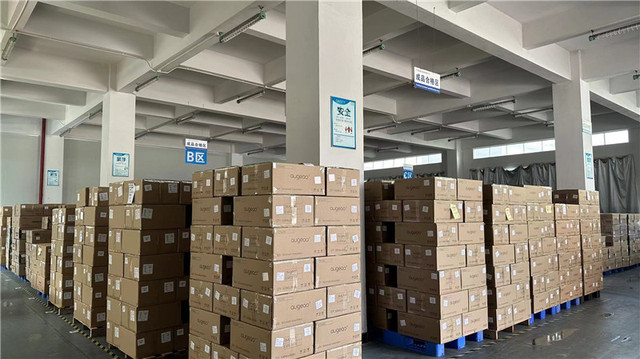
Request Technical CatalogTour our production facility, where safety protocols, automated production, and premium raw materials meet under GMPC standards.
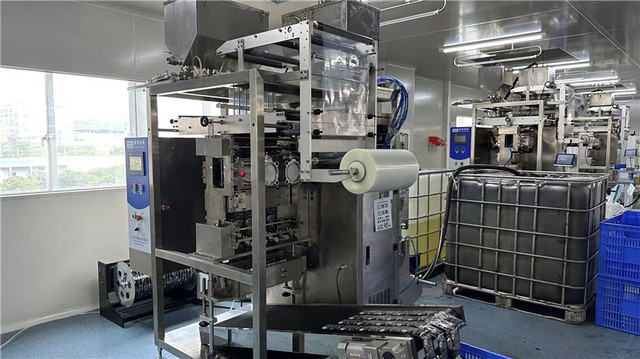
Find direct, technical answers to common questions about SPF spray manufacturing, certification, and export logistics.
Leverage our GMP-certified manufacturing processes to create custom-formulated body lotions, creams, and skin-brightening treatments.
 Bahre Beauty