Why Is My Skin Still Dry After Using Body Lotion?

Time:2026-10-19 Author:Amelia
0%

Why is my skin still dry after using body lotion? This question is more complicated than a simple product failure. The American Academy of Dermatology explains that creams and ointments usually moisturize more effectively than lotions because they contain more oil. Lotion may feel refreshing, yet it can evaporate quickly from rough, cracked skin. A thin layer may also be insufficient after a long, hot shower, especially when indoor heating or low humidity strips moisture from the skin’s surface.

The National Eczema Association estimates that eczema affects more than 31 million Americans, showing how common persistent dryness and irritation can be. However, dry skin does not always mean eczema. Fragrance, harsh cleansers, frequent exfoliation, and very hot water may quietly damage the skin barrier. The American Academy of Dermatology recommends applying moisturizer immediately after bathing, while the skin is still slightly damp. Timing matters.

So does texture.

Still, this advice is not perfect. A lotion that helps one person may sting another, and “natural” ingredients are not automatically gentle. Some dryness may also signal psoriasis, contact dermatitis, or another condition requiring professional assessment. This guide will examine why body lotion sometimes disappoints, how ingredients such as ceramides, glycerin, and petrolatum work, and which daily habits may be undoing your skincare routine. Small details matter, including the cleanser used, the amount applied, and the roughness felt on your elbows, shins, or knuckles.
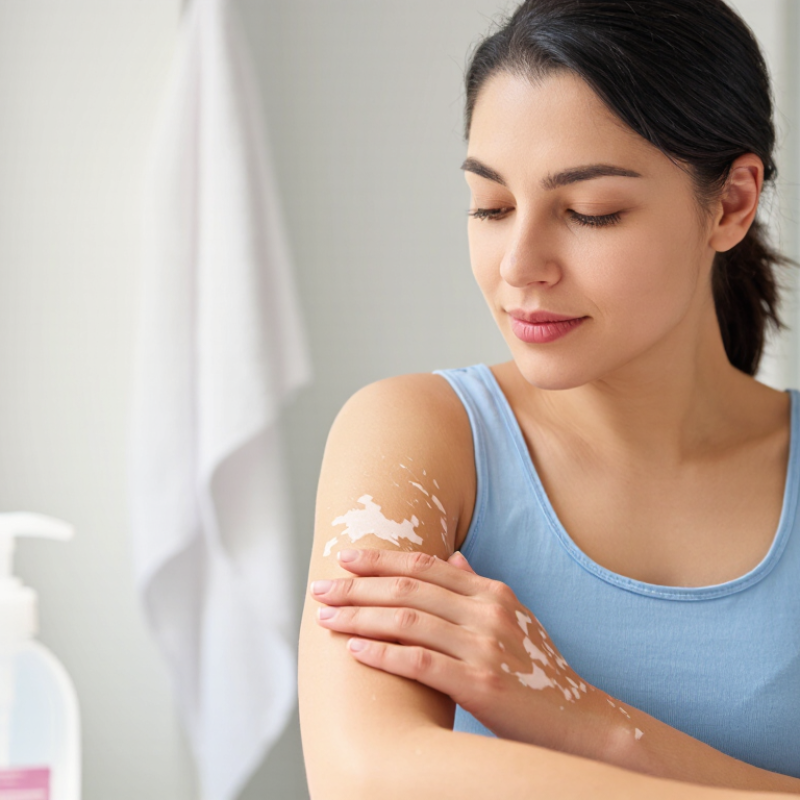
Why Is My Skin Still Dry After Using Body Lotion?

Common Reasons Body Lotion Fails to Relieve Dry Skin

Why Is My Skin Still Dry After Using Body Lotion?

Body lotion can fail when the skin barrier is already severely damaged. Many lotions contain more water than oil, so they feel light but evaporate quickly. The American Academy of Dermatology Association recommends applying moisturizer within a few minutes after bathing, while skin remains slightly damp. Timing matters. So does texture.

Hot showers, harsh cleansers, and frequent scrubbing can remove protective lipids faster than lotion replaces them. Low indoor humidity may worsen the problem, especially during colder months. A 2023 review in the International Journal of Dermatology reported that moisturizers can improve xerosis, but results depend heavily on formulation and regular use. In practice, a cream or ointment often holds moisture longer than a thin lotion.

Not every case is simple dryness. The Global Burden of Disease Study 2019, published in JAMA Dermatology, estimated that atopic dermatitis affected about 171 million people worldwide. Itching, redness, cracking, or recurring rough patches may suggest dermatitis instead. I have also seen people apply lotion once daily, then blame the product after washing repeatedly. That is understandable, but incomplete. Try shorter, warm—not hot—showers, gentle cleansing, and moisturizer on damp skin. If symptoms persist, worsen, or bleed, a qualified clinician should assess the cause.

How Skin Type and Lotion Ingredients Affect Hydration

Why Is My Skin Still Dry After Using Body Lotion?

Skin type and lotion ingredients often explain persistent dryness. Dry skin lacks enough oil, while dehydrated skin lacks water. They can appear together, especially after hot showers, cold weather, or frequent cleansing. A thin lotion may feel pleasant but evaporate quickly on very dry skin.

Humectants, such as glycerin and urea, attract water. Emollients smooth rough gaps between skin cells. Occlusives, including petrolatum and plant-based oils, reduce water loss.

Effective hydration usually needs more than one category.

The American Academy of Dermatology recommends applying moisturizer while skin is still damp. Timing matters. A 2017 Cochrane review examined 77 studies involving 6,603 people and found that moisturizers can reduce eczema flares and treatment needs, although results differed by formula. That difference matters.

Fragrance, drying alcohols, or strong exfoliating acids may irritate sensitive skin. Even a “gentle” lotion can be wrong for your barrier.

Tips: After bathing, pat lightly and apply lotion within three minutes. Choose a cream or ointment for cracking, scaling, or winter dryness. Use lighter lotion on oily areas. Test one new ingredient at a time. I used to assume more product meant better hydration; that was too simple. If stinging, redness, or persistent scaling continues, a dermatologist should check for eczema, psoriasis, or contact dermatitis.

Proper Steps for Applying Body Lotion Effectively

Why does skin stay dry after body lotion? Often, the problem is application rather than the lotion itself. I used to rub product onto completely dry skin, then blame the formula. That habit wasted product. The American Academy of Dermatology recommends moisturizing within three minutes after bathing, while water remains on the skin. Timing matters.

Keep the shower warm, not hot, and limit it to about five to ten minutes. Hot water can remove surface oils and increase tightness. Pat your body gently, leaving a slight dampness behind. Apply lotion immediately, using slow strokes instead of vigorous rubbing. Focus on shins, elbows, knees, and hands. These areas often feel rough first. The National Eczema Association explains that ointments generally contain more oil than creams, while creams contain more oil than lotions. Therefore, very dry skin may need a richer texture at night.

Use enough product to create a thin, even film. More is not always better. Reapply after handwashing or whenever the skin feels tight. Fragrance-free formulas may be a sensible choice for sensitive skin, but “natural” does not automatically mean gentle. I sometimes still miss the three-minute window, especially on busy mornings. That inconsistency matters. If cracking, bleeding, redness, or persistent itching continues, consult a qualified dermatologist. A professional can check for eczema, contact dermatitis, or another condition instead of treating dryness blindly.

Environmental and Lifestyle Factors That Increase Skin Dryness

Why Is My Skin Still Dry After Using Body Lotion?

Body lotion can fail when the air keeps pulling moisture from your skin. Indoor heating lowers humidity, while cold wind weakens the skin’s protective barrier. The U.S. Environmental Protection Agency recommends indoor relative humidity between 30% and 50% for healthier indoor air. Very dry rooms may leave your arms tight again within hours.

Daily habits matter too. Long, hot showers can remove protective oils from the skin surface. Frequent washing, harsh cleansers, and rough towels may increase irritation. The American Academy of Dermatology Association recommends brief, warm showers and applying moisturizer while skin remains damp. That timing helps trap water before it evaporates. Small details matter.

I used to blame the lotion immediately. That explanation was incomplete. Tight clothing, indoor dust, air travel, and low fluid intake may also worsen discomfort, although drinking more water alone cannot repair a damaged barrier. The National Eczema Association identifies weather changes, dry air, heat, and sweating as common triggers for sensitive skin. Track patterns for one week: note shower temperature, room humidity, fabrics, and when dryness returns. Your skin may be reacting to the environment, not rejecting the moisturizer.

When Persistent Dry Skin May Require Medical Care

Why Is My Skin Still Dry After Using Body Lotion?

Persistent dryness does not always mean you need more lotion. A lotion may evaporate quickly, especially after hot showers, frequent washing, or winter heating. Fragrance, preservatives, and exfoliating ingredients can also irritate sensitive skin. I have found that tight, stinging skin often needs gentler care, not stronger products. A cream or ointment applied to damp skin may seal in water more effectively.

Still dry?

Medical attention may be necessary when symptoms continue despite careful daily care. The American Academy of Dermatology advises evaluation when dry skin does not improve, becomes painful, cracks, bleeds, or disrupts sleep. Oozing, yellow crusts, warmth, swelling, or rapidly spreading redness may indicate infection and need prompt assessment. Persistent itching can also reflect eczema, psoriasis, thyroid disease, diabetes, kidney problems, or a medication reaction. Lotion cannot identify these causes.

The Global Burden of Disease Study 2019 estimated that atopic dermatitis affected about 171 million people worldwide, showing how common inflammatory skin disease can be. Yet common does not mean harmless. A clinician may examine the pattern, ask about soaps and medicines, and recommend testing when appropriate. Until then, use lukewarm water, pat the skin dry, and apply a fragrance-free moisturizer within minutes. Avoid scrubbing cracked areas. My earlier assumption was simple: dry skin equals dehydration. That is incomplete, and delaying care can make small fissures harder to heal.

FAQS

Why can my skin stay dry after using body lotion?

Dry skin lacks oil, while dehydrated skin lacks water. Both problems can happen together. Thin lotion may evaporate quickly.

Which lotion ingredients support better hydration?

Humectants like glycerin and urea attract water. Emollients smooth rough skin. Occlusives reduce water loss.

When should I apply moisturizer after bathing?

Apply it within three minutes. Pat your skin lightly, leaving it slightly damp. Timing matters.

Should I use lotion, cream, or ointment?

Use lighter lotion on oily areas. Choose cream or ointment for cracking, scaling, or cold-weather dryness.

Can lotion ingredients irritate sensitive skin?

Yes. Fragrance, drying alcohols, preservatives, and strong exfoliating acids may cause irritation. Even gentle products can feel wrong.

What bathing habits may worsen dry skin?

Hot showers and frequent washing can remove protective oils. Use lukewarm water and avoid scrubbing cracked areas.

How can I test a new moisturizer more safely?

Test one new ingredient at a time. Watch for stinging, redness, or worsening dryness. I once assumed more product worked better. That was too simple.

When should persistent dryness receive medical attention?

Seek evaluation if dryness becomes painful, cracks, bleeds, or disrupts sleep. Oozing, yellow crusts, warmth, swelling, or spreading redness need prompt assessment.

What conditions can resemble ordinary dry skin?

Eczema, psoriasis, contact dermatitis, thyroid problems, diabetes, kidney problems, and medication reactions can cause persistent dryness. Lotion cannot identify the cause.

Conclusion

Many people wonder, “why is my skin still dry after using body lotion?” The answer may involve using too little product, applying it to completely dry skin, or choosing a formula that does not match the skin’s needs. Dry, sensitive, or rough skin may require richer moisturizing ingredients, while lightweight lotions may not provide enough lasting hydration. Applying lotion within a few minutes after bathing, when the skin is still slightly damp, can help seal in moisture. Gentle application and avoiding very hot water or harsh cleansers can also reduce moisture loss.

Environmental and lifestyle factors, including cold weather, dry indoor air, frequent bathing, dehydration, and friction from clothing, may continue to worsen dryness. If the skin remains persistently dry despite consistent care, or if it becomes itchy, cracked, painful, inflamed, or develops a rash, an underlying skin condition may be involved. In such cases, consulting a qualified healthcare professional can help identify the cause and recommend appropriate treatment.

Amelia

Amelia

Amelia is a seasoned marketing professional with a wealth of expertise in our company’s core offerings. With an unwavering passion for driving growth and innovation, she plays a pivotal role in shaping our marketing strategies and enhancing brand visibility. A key aspect of her responsibilities......