2026 Top Body Lotion Guide Before or After Showering?

Time:2026-09-19 Author:Aria
0%

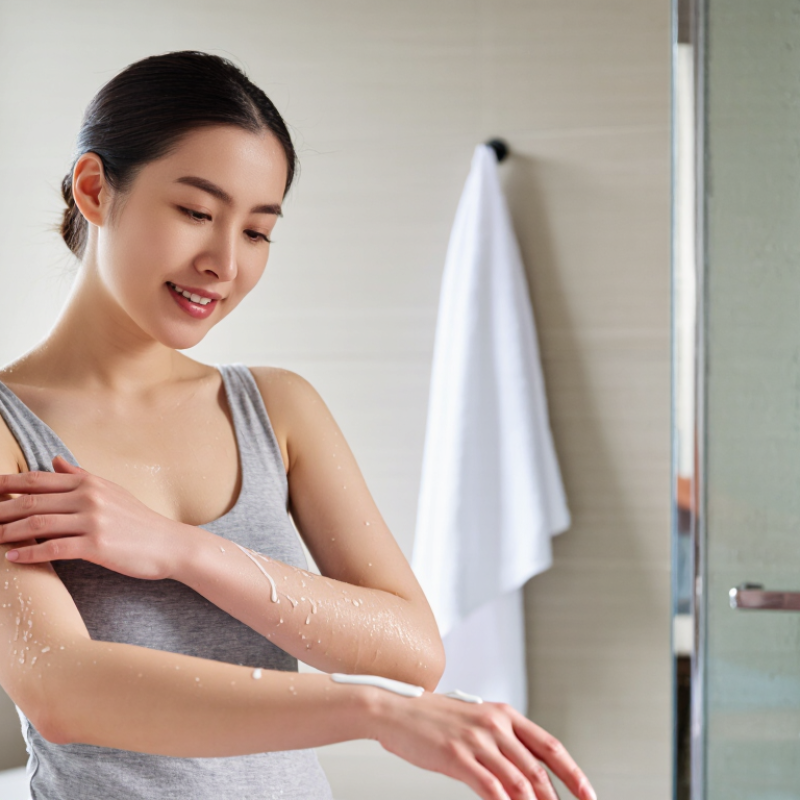
Should you apply body lotion before or after showering? For most people, after showering is the more practical answer. Clean, damp skin helps spread lotion evenly and slows water loss before the surface becomes tight. The American Academy of Dermatology Association recommends moisturizing while skin remains damp, especially after bathing. That small timing choice can matter during winter, when heated indoor air leaves arms rough and itchy.

Industry data also supports the importance of consistent body care. Grand View Research’s Body Lotion Market Size, Share & Trends Analysis Report, 2024–2030, identifies rising interest in moisturizing and skin-health products worldwide. Euromonitor International similarly tracks continued consumer demand for products supporting personal wellness and daily skincare routines. These reports describe market behavior, not medical proof. That distinction matters.

Dr. Joshua Zeichner, a board-certified dermatologist, offers a clear rule: “The best time to apply moisturizer is within five minutes after getting out of the shower.” For an everyday routine, pat your skin gently, leave it slightly damp, and apply lotion from shoulders to ankles. Creamier formulas may suit very dry skin, while lighter lotions can feel better in humid weather. Before or after?

Usually after.

Still, the answer is not universal. Applying lotion before a shower may help protect very sensitive areas, but water and cleanser can remove much of it. Fragrance can also irritate reactive skin, even when the product feels luxurious. Ingredient lists deserve more attention than marketing promises. This 2026 guide examines texture, skin type, shower temperature, and application timing, while admitting one imperfect truth: the best routine is the one you can repeat consistently.
2026 Top Body Lotion Guide Before or After Showering?

How Body Lotion Works Before and After Showering

2026 Top Body Lotion Guide Before or After Showering?

How Body Lotion Works Before and After Showering

Body lotion mainly supports the skin barrier by adding water, softening agents, and protective oils. After showering, slightly damp skin gives lotion a better starting point. Pat gently, then apply within a few minutes. This helps reduce water loss as the surface dries. Ingredients such as glycerin attract moisture, while oils and occlusive ingredients help hold it in. The effect is practical, not magical. Very dry skin may need a thicker cream than a light lotion.

Using lotion before showering works differently. Much of it will rinse away, so it is rarely the most efficient choice for daily hydration. However, a thin layer can reduce the tight feeling caused by hot water, especially on rough arms or legs. Avoid heavy application before entering the tub. Slippery floors create a real safety problem. My own routine is not perfectly consistent, and I sometimes apply lotion too late. That mistake is easy to repeat.

Tips: Keep showers warm, not hot, and limit them to about five to ten minutes. Use a gentle cleanser only where needed. Pat dry instead of rubbing. Apply lotion to one section at a time, such as each arm or leg. If stinging, redness, or persistent cracking appears, stop using the product and ask a qualified healthcare professional. A small patch test can reveal irritation before full-body use.

Choosing the Right Lotion for Your Skin Type

Choosing the right body lotion starts with your skin type, not attractive ingredient claims. Dry, tight skin usually needs a rich cream containing ingredients such as glycerin, ceramides, or shea butter. Apply it after showering, while your skin is still slightly damp. This helps reduce water loss and leaves less chalky residue.

Oily or sweaty skin often feels better with a lightweight lotion or gel. Look for non-comedogenic formulas, especially if your chest or back develops clogged pores.

Sensitive skin needs a simpler option. Choose fragrance-free products and avoid strong exfoliating acids on irritated areas. Patch test a small section first.

A small test matters.

Before showering, lotion usually offers limited benefit because much of it washes away. However, a thicker product may soften rough elbows or knees before cleansing. Keep the water warm, not hot, since heat can worsen dryness. I used to think more lotion meant better hydration, but excessive layers can feel sticky and discourage regular use. Consistency works better than a perfect routine. During cold weather, apply lotion again at night. If cracking, persistent itching, or a rash continues, seek advice from a qualified healthcare professional.

Applying Body Lotion Before a Shower

Applying Body Lotion Before a Shower

Applying body lotion before showering can help dry skin, but timing matters. A thin layer creates a temporary barrier against hot water and harsh cleansing. It may reduce that tight, papery feeling on the arms and legs.

However, ordinary lotion can rinse away quickly. This method is not a replacement for moisturizing after bathing. The American Academy of Dermatology recommends applying moisturizer within a few minutes after gently patting skin dry. A 2017 Cochrane review examined 77 studies involving more than 6,600 participants and found that moisturizers can reduce eczema flares and treatment needs. The evidence supports moisturization, but it does not prove that pre-shower application works best.

In practice, use this approach before a short, lukewarm shower. Choose a fragrance-free formula if your skin stings easily. Apply a small amount to rough areas, such as elbows, knees, and shins. Avoid putting lotion on broken or actively irritated skin without professional advice. I would not use a heavy layer before every shower. It can feel slippery, waste product, and leave the skin under-moisturized afterward.

Tips: Apply lotion 5–10 minutes before showering. Keep water below hot. Use a mild cleanser only where needed. Pat, do not rub, then moisturize again while skin remains slightly damp. Stop if burning, swelling, or persistent redness appears.

Applying Body Lotion After a Shower

Applying body lotion after a shower helps preserve the moisture left on your skin. Pat your body gently with a towel, but do not dry it completely. Apply lotion while the surface still feels slightly damp, ideally within three minutes. This timing can slow water loss and make the product spread more evenly. A small amount may cover one arm, but rough areas need more.

Use warm water instead of very hot water. Hot showers can leave skin feeling tight, especially on the legs and hands. A lotion containing glycerin can attract moisture, while ceramides and oils help support the skin barrier. Ingredients matter, but texture matters too. If a lotion feels sticky, you may stop using it. Consistency beats a perfect formula.

Not every routine works perfectly. I sometimes apply too much and feel uncomfortable under clothing. Applying less, then adding another thin layer to dry areas, works better. Focus on elbows, knees, ankles, and shins. If your skin stings, becomes red, or develops a rash, stop using the lotion and seek advice from a qualified healthcare professional. For very dry or eczema-prone skin, a clinician may recommend a cream or ointment instead. Observe your skin for one week, and adjust the routine instead of forcing it.

2026 Top Body Lotion Guide: Before or After Showering?

Applying body lotion after a shower is generally recommended while the skin is still slightly damp. Dermatology guidance also suggests keeping showers short and using lukewarm water to help reduce dryness.

Practical takeaway: Keep the shower around 5–10 minutes, pat the skin dry gently, and apply body lotion within approximately 3 minutes, when the skin remains damp. This helps seal in moisture more effectively than waiting until the skin is completely dry.

Source: American Academy of Dermatology Association, “Dermatologists’ top tips for relieving dry skin.”

Comparing the Benefits of Each Application Method

2026 Top Body Lotion Guide Before or After Showering?

Comparing the Benefits of Each Application Method

After-shower application has the strongest practical case.

The American Academy of Dermatology recommends moisturizing within three minutes of bathing, while skin remains damp. This timing helps reduce water loss from the outer skin layer. Pat dry gently, then smooth lotion over shins, elbows, and shoulders. Do not scrub.

Before showering can still be useful.

A thin layer may soften flaky areas before cleansing, especially after cold-weather exposure. However, much of that lotion may rinse away. The method also feels slippery and can encourage overapplication. I have found it helpful for rough knees, but less useful on the back.

Evidence remains imperfect.

A 2023 review in the Journal of Clinical Medicine noted that moisturizer studies use varied formulas and testing methods, limiting direct comparisons.

Product texture matters. Creams usually feel richer, while lotions spread faster. The National Eczema Association also emphasizes fragrance-free moisturization for sensitive skin.

Keep the water lukewarm. Apply enough to leave a comfortable, not greasy, film. Patch testing is sensible, although many people skip it. That is one habit worth reconsidering.

FAQS

Why is body lotion usually applied after showering?

Slightly damp skin helps lotion spread evenly. Apply it within about three minutes to reduce water loss.

Should I dry my body completely before using lotion?

No. Pat gently with a towel, but leave the surface slightly damp. Rubbing can make skin feel irritated.

Can I apply body lotion before showering?

You can, but much of it may rinse away. A thin layer may reduce tightness on rough arms or legs.

What is the risk of applying too much lotion before showering?

Heavy lotion can make the floor slippery. That creates a genuine fall risk. Use very little, or apply it afterward.

How hot and long should a shower be?

Use warm water, not very hot water. Keep the shower around five to ten minutes.

Which body areas may need extra lotion?

Focus on elbows, knees, ankles, and shins. These areas often feel rough or dry. Add another thin layer if needed.

What ingredients can support dry skin?

Glycerin attracts moisture. Oils and occlusive ingredients help hold it in. Ceramides may support the skin barrier.

What should I do if lotion feels sticky or uncomfortable?

Use a smaller amount and apply it section by section. Texture matters because an unused lotion cannot help consistently. I sometimes apply too much.

When should I stop using a lotion?

Stop if your skin stings, turns red, cracks persistently, or develops a rash. Ask a qualified healthcare professional for advice.

Is lotion enough for very dry or eczema-prone skin?

Not always. A clinician may suggest a thicker cream or ointment. Observe your skin for one week and adjust carefully.

Conclusion

This guide explores how body lotion works before and after showering and explains how to choose a formula that matches your skin type. Dry, rough skin may benefit from a richer lotion, while normal or oily skin may prefer a lightweight, fast-absorbing texture. The key question is: should you apply body lotion before or after showering? Applying lotion before a shower can create a protective layer that helps reduce moisture loss and may soften areas of rough skin. However, it can also be rinsed away, making the result less lasting.

Applying lotion after showering is often the more effective daily method because clean, slightly damp skin can absorb and retain moisture more efficiently. Gently patting the skin dry and applying lotion within a few minutes may help support a smoother, softer feel. Ultimately, both methods can be useful, but the best choice depends on your skin’s needs, the lotion’s texture, and your personal routine.

Aria

Aria

Aria is a dedicated marketing professional with a deep passion for innovative strategies and a keen understanding of our company's product offerings. With a wealth of experience in the industry, Aria excels at crafting engaging content that highlights the unique features and benefits of our......